
Water Softener and Reverse Osmosis technologies work together to address different water-quality problems. A water softener reduces hardness minerals, while reverse osmosis (RO) reduces many dissolved salts and selected contaminants. Combining both can improve treatment efficiency when incoming water contains high calcium, magnesium, or other substances requiring specialised treatment. For households and businesses seeking reliable water quality, this combination offers a practical solution when correctly designed. VistaGreen helps customers explore suitable water-treatment options for homes, offices, and commercial facilities across West Africa.
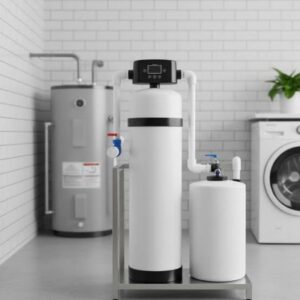
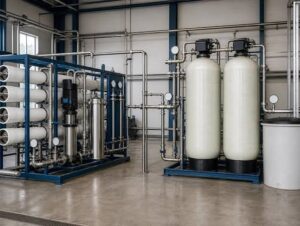

What Is a Water Softener and Reverse Osmosis System?
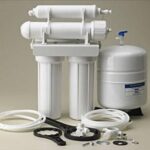
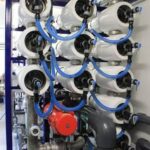
A water softener typically uses ion exchange to replace hardness-causing calcium and magnesium ions with sodium or potassium ions. An RO system uses a semipermeable membrane to reduce many dissolved substances. In suitable installations, softening occurs before RO to help control scale formation on the membrane. Pretreatment, sediment filtration, carbon filtration, and disinfection may also be necessary, depending on the source water. Water testing determines whether both technologies are needed and helps establish the correct system specifications.
10 Powerful Benefits of Combining Both Technologies
1. Helps Control Hard Water
Hard water can leave chalky deposits on taps, shower screens, and heating elements. A correctly sized softener reduces hardness minerals and helps limit scale buildup.
2. Supports Reverse Osmosis Membrane Protection
Excessive hardness can contribute to scale formation on an RO membrane. Suitable softening pretreatment can reduce this risk and support reliable operation.
3. Reduces Many Dissolved Substances
Reverse osmosis can reduce many dissolved salts and selected contaminants. Actual performance depends on membrane quality, operating conditions, and incoming water chemistry.
4. Improves Water Taste – Water Softener and Reverse Osmosis
Certain dissolved substances affect taste and odour. Properly configured RO treatment may produce cleaner-tasting water for drinking, cooking, and beverage preparation.
5. Supports Borehole Water Treatment
Borehole and well water may contain hardness, salinity, iron, sediment, or microbial contamination. Testing helps determine whether softening, RO, iron removal, or disinfection is required.
6. Helps Manage Appliance Scale – Water Softener and Reverse Osmosis
Softened water can reduce scale deposits in suitable plumbing systems and water-heating equipment. This may help simplify cleaning and support appliance maintenance.
7. Offers Flexible Residential Applications – Water Softener and Reverse Osmosis
A combined setup can serve households with challenging water chemistry. Depending on design, RO may supply drinking-water outlets while softened water serves other appropriate household uses.
8. Supports Commercial Water Requirements – Water Softener and Reverse Osmosis
Hotels, restaurants, schools, hospitals, and selected manufacturing facilities may benefit from tailored water treatment. System capacity should match daily demand, peak flow, and required water quality.
9. Encourages Planned Maintenance – Water Softener and Reverse Osmosis
Both systems need routine servicing. Maintenance may include salt replenishment, filter replacement, membrane inspection, sanitisation, and periodic treated-water testing.
10. Improves Long-Term Treatment Planning
A combined system can address hardness and dissolved contaminants through complementary processes. A professional cost assessment should include installation, electricity, salt, replacement filters, membrane servicing, and wastewater management.


Choosing a Reliable System in West Africa
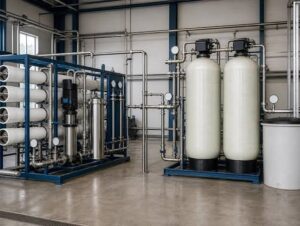
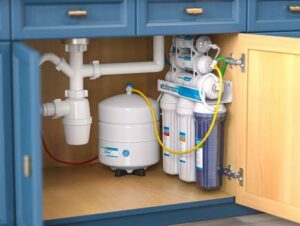
Water conditions vary across Ghana, including Accra, Kumasi, Sekondi-Takoradi, Tamale, Sunyani, Tema, Cape Coast, Elmina, Winneba, Keta, Ada Foah, and Ho. Regional projects in Cotonou, Lomé, Abidjan, Monrovia, Freetown, Banjul, Cape Verde, and Dakar also require locally appropriate treatment designs. Before comparing the water softener and reverse osmosis system price, arrange a water-quality test and confirm your household or business requirements. Consider system capacity, membrane specifications, installation costs, maintenance support, and replacement-part availability.
Is a Water Softener and RO System Worth It?
A combined system can be valuable when water testing confirms both hardness and dissolved-contaminant concerns. However, not every property needs both technologies, and a softener does not remove every contaminant. Choose equipment based on verified water-quality needs rather than the number of filtration stages or promotional claims. The right design can support dependable treatment while helping control avoidable maintenance costs.
Frequently Asked Questions About Water Softener and Reverse Osmosis
Does a water softener replace reverse osmosis?
No. A softener primarily reduces hardness, while RO reduces many dissolved substances. They perform different functions.
Should a softener be installed before RO?
It may be beneficial when water hardness creates a scaling risk. A water-treatment specialist should assess the chemistry before recommending pretreatment.
Does reverse osmosis remove all contaminants?
No. Additional filtration or disinfection may be needed for particular contaminants. Test both source water and treated water when appropriate.
How often should the systems be serviced?
Service frequency depends on water quality, consumption, equipment specifications, and manufacturer guidance. Regular inspections help identify when filters, membranes, or softener components need attention.
Get Your Water Treatment Solution!
🌐 Visit: https://www.vistagreen.africa/
📧 Email: info@vistagreen.africa
📞 Call/WhatsApp: +233 208 995 720, +234 911 416 6874
VistaGreen — Engineering Innovation. Building Trust.
At Vista Green, we provide Portable Toilets in Accra, Portable Toilet Price in Ghana, Mobile Toilets in Cotonou, Mobile Toilet for Hire, Portable Toilets for Seniors, Portable Toilets for RVs, FRP Portable Toilet, Readymade Toilet and Bathroom, Emergency Portable Toilet Rental, Portable Toilet Business in Ghana, Portable Toilet Rental Cost, Portable Chemical Toilet vs Flush Toilet, Portable Sink and Toilet, Portable Toilet Price in Cotonou, Portable Toilets for Sale in Ghana,
Water Filter and Purifier for Tank, Water Purifier in Ghana, Osmosis Water Purification, RO Water Purifier, Reverse Osmosis Machine, RO Technology in Water Purifier, Reverse Osmosis Water Treatment, Under Sink Reverse Osmosis System, whole home reverse osmosis, Residential Reverse Osmosis System, Tankless Reverse Osmosis System, Portable Reverse Osmosis System, Countertop Reverse Osmosis System, Water Softener and Reverse Osmosis System, RO Membrane, RO membrane price, Water Disinfection System, Small Reverse Osmosis System, RO Drinking Water System, 5 Stage Reverse Osmosis System, Reverse Osmosis Remineralization, Commercial Reverse Osmosis System, Reverse Osmosis Machine Price, Countertop Reverse Osmosis System, whole home reverse osmosis system, Water Softener and Reverse Osmosis,
Electric Oven for Baking, Gas Cooker With Electric Oven, Oven Price in Ghana, Food Preparation Sink, Kitchen Prep Equipment, Vegetable Preparation Machine, Sandwich Preparation Table, Commercial Veg Prep Machine, Difference Between Chilling and Freezing, Chilling in Food Preservation, oven and hob,
Hydrogen Balloons Explained, Hydrogen Balloon Disaster, Hydrogen Balloon for Birthday Party, Hydrogen vs Helium Balloon, Balloon Hydrogen Pump, Industrial Kitchen Equipment, Equipment for Fast Food Business, Industrial Deep Fryer Price, Industrial Pizza Oven Price, Stainless Steel Prep Table With Sink, Industrial Food Processor, Industrial Air Fryer Price, Industrial Dishwasher