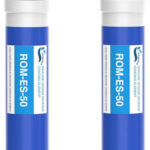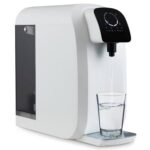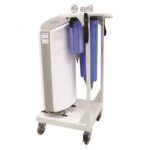

Residential Reverse Osmosis System technology provides advanced household water purification by forcing water through a semi-permeable membrane under pressure. This process reduces many dissolved contaminants, salts, unpleasant tastes, and unwanted substances. For households facing poor water quality, borehole water, high TDS, or mineral-heavy water, RO can provide a cleaner drinking-water solution. The result can be fresher-tasting water for drinking, cooking, and everyday household use.

What Is a Residential Reverse Osmosis System?
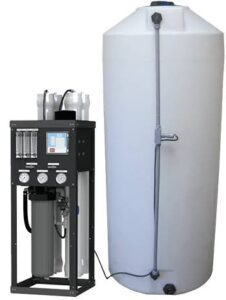
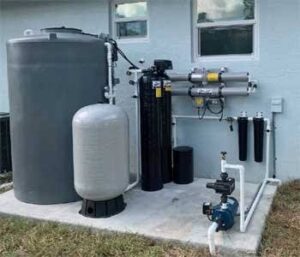
A Residential Reverse Osmosis System is a point-of-use or whole-home water treatment solution designed for domestic applications. It typically combines sediment filtration, carbon filtration, an RO membrane, and sometimes remineralization or UV treatment. The reverse osmosis membrane acts as the primary purification barrier after water passes through pre-filters. Depending on the design, the system can reduce dissolved solids and improve the taste, appearance, and overall quality of treated water.
The basic process is straightforward. Water enters through a sediment filter, which captures particles such as sand, rust, and suspended matter. Carbon filtration can reduce chlorine, odors, and certain organic compounds before water reaches the ro membrane. Pressure then pushes water through the membrane while concentrated impurities are separated from the purified stream.
9 Smart Benefits of a Residential Reverse Osmosis System
1. Delivers Cleaner-Tasting Drinking Water
A Residential Reverse Osmosis System can significantly improve the sensory quality of drinking water. Unpleasant tastes may result from dissolved minerals, chlorine, salts, or other substances. RO filtration helps reduce many of these contributors before water reaches your glass. This can make everyday drinking water feel noticeably fresher and more refreshing.
2. Helps Reduce Dissolved Contaminants
One of the major advantages of reverse osmosis water treatment is its ability to reduce many dissolved substances. The RO membrane provides a much finer filtration barrier than ordinary sediment filters. This makes RO useful where water testing identifies elevated TDS or dissolved contaminants. However, system performance depends on membrane quality, pressure, pretreatment, and incoming water conditions.
3. Works Well With Challenging Household Water Sources
Homes using borehole water, well water, or mineral-heavy supplies may experience unpleasant smells, scaling, cloudy water, or high TDS. A properly designed reverse osmosis system for home can form part of a broader treatment strategy. Pretreatment may be necessary when water contains excessive iron, hardness, sediment, or other problematic substances. Water testing should therefore guide the final system design.
4. Creates a Dedicated Drinking-Water Solution
A kitchen installation can provide purified water through a dedicated reverse osmosis tap. This approach focuses advanced treatment where purified water is needed most. An under sink reverse osmosis configuration keeps the equipment beneath the kitchen counter. It can therefore provide convenient access without occupying valuable countertop space.
5. Supports Multiple Filtration Configurations
Residential systems are available in several configurations, including 5 stage reverse osmosis system, 6 stage reverse osmosis system, and 7 stage reverse osmosis system designs. Some include a remineralization filter after RO treatment. Others combine RO with carbon filtration, UV, or additional conditioning. The right configuration depends on water quality, household consumption, available pressure, and treatment objectives.
6. Offers Flexible Installation Options
A Residential Reverse Osmosis System can be configured as an under-counter, countertop, tankless, or larger household installation. A countertop reverse osmosis system may suit renters or smaller households. A tankless ro system can provide purified water without using a traditional storage tank. Larger properties may instead require a whole house reverse osmosis system with suitable pretreatment and high-flow capacity.
7. Can Complement Water-Tank Treatment
Many homes need filtration before water reaches the kitchen. A water tank filter, water tank filter for home, or iron filter for water tank may help address specific upstream problems. RO can then provide a second treatment stage for drinking water. This layered approach can be particularly useful where tanks collect sediment or incoming water quality varies.
8. Provides a Smart Long-Term Water Management Strategy
The value of RO extends beyond the initial purchase price. A properly selected ro system can provide consistent treatment when filters and membranes are maintained correctly. However, buyers should consider the cost of reverse osmosis system, installation cost, replacement filters, membrane replacement, water wastage, and running costs. Understanding the total cost makes it easier to determine whether the investment fits the household budget.
9. Supports Modern Household Convenience
Modern systems can include pressure pumps, storage tanks, automatic controls, TDS monitoring, UV treatment, and remineralization. A reverse osmosis with remineralization configuration can restore selected minerals after membrane filtration. Some households may also combine RO with a water softener and reverse osmosis system. These options demonstrate why system design should match actual water conditions rather than simply selecting the highest number of filtration stages.


How Does a Residential Reverse Osmosis System Work?
The typical process begins with pre-filtration. A sediment filter captures larger particles, while carbon filtration helps reduce chlorine and certain organic compounds. Water is then pressurized and pushed through the RO membrane. Treated water enters a storage tank or flows directly from a tankless system, while the concentrated stream is discharged.
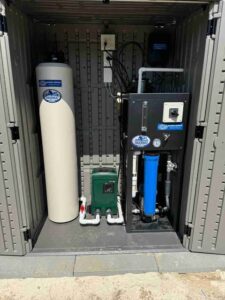
A complete reverse osmosis water filtration system may therefore include several components. These can include a sediment filter, carbon filter, membrane housing, pump, storage tank, post-filter, faucet, and optional UV or remineralization stages. Correct pressure is particularly important because inadequate pressure can reduce production and purification performance.
Residential Reverse Osmosis System: Features to Check Before Buying
Before buying a Residential Reverse Osmosis System, start with water testing. Check parameters such as TDS, hardness, iron, sediment, pH, and microbiological quality where appropriate. Then compare membrane capacity, filtration stages, GPD rating, tank capacity, pump requirements, replacement costs, and warranty support. A professional installation also helps ensure correct connections, pressure, drainage, and sanitation.
Avoid choosing equipment solely because it has more stages. A 7-stage system is not automatically better than a well-designed 5-stage system. The most important factor is whether the configuration addresses the actual water-quality problem. Buyers should also verify the availability of replacement filters, ro membrane price, servicing, and technical support.
RO vs Conventional Water Filtration
Traditional filters can be highly useful for sediment, taste, odor, and specific contaminants. However, many conventional filters do not provide the same dissolved-solids reduction associated with RO membranes. RO therefore occupies a different position within the water-treatment spectrum. The appropriate choice depends on the contaminants present and the required water quality.
For example, a simple water filter and purifier for tank may be suitable for sediment control. A household with elevated dissolved solids may require a reverse osmosis water purifier instead. In some situations, combining pretreatment with RO provides a more complete solution.
Installation and Maintenance Guide
Correct installation is essential for reliable performance. The installer should assess water pressure, drainage, available space, electrical requirements, and the condition of existing plumbing. Systems connected to borehole or well supplies may require additional pretreatment. This can protect the RO membrane from premature fouling.
Maintenance normally involves changing reverse osmosis filters at appropriate intervals. Sediment and carbon cartridges require periodic replacement, while membrane life depends heavily on feed-water quality and operating conditions. Users should also monitor leaks, pressure, unusual taste, reduced flow, and changes in water quality. These warning signs can indicate that servicing is required.
Where Can Residential RO Systems Be Used?
Demand for household water treatment extends across Ghana, Togo, Benin, Côte d’Ivoire, Liberia, Sierra Leone, The Gambia, Cape Verde, and Senegal. Applications can be found in Accra, Kumasi, Cotonou, Lomé, Abidjan, Monrovia, and Freetown. Other relevant markets include Banjul, Dakar, Sekondi-Takoradi, Tamale, Sunyani, and Tema.
Households in Cape Coast, Elmina, Winneba, Keta, Ada Foah, and Ho may also require solutions tailored to their specific water sources. Local water conditions can vary significantly between neighbourhoods and properties. Therefore, professional assessment remains important before specifying an RO unit. The same principle applies whether the application involves a small apartment, family home, estate, office, hotel, restaurant, or larger facility.
Is a Residential Reverse Osmosis System Worth It?
A Residential Reverse Osmosis System can be a valuable investment where water testing identifies dissolved contaminants or persistent quality problems. It can provide a dedicated source of treated drinking and cooking water. However, buyers should consider installation, maintenance, replacement filters, membrane life, water pressure, and operating costs. A properly specified system is generally more useful than an unnecessarily complex installation.
VistaGreen provides water-treatment expertise for residential and broader African applications, helping clients evaluate water conditions and select appropriate treatment configurations. Its approach focuses on practical system design rather than simply selling equipment. This is particularly important for properties using borehole, well, tank, or other variable water sources.
Frequently Asked Questions
What is a Residential Reverse Osmosis System?
A Residential Reverse Osmosis System uses pressure and a semi-permeable membrane to reduce dissolved substances and other contaminants from household water.
Is RO suitable for borehole water?
Yes, but borehole water should normally be tested first. High iron, hardness, sediment, or other contaminants may require pretreatment before RO.
How often should RO filters be replaced?
Replacement schedules depend on water quality, usage, filter type, and manufacturer specifications. Heavy sediment or poor feed-water quality can shorten filter life.
Does RO remove everything from water?
No. RO reduces many dissolved substances, but no single treatment process addresses every possible contaminant. Additional treatment may be required for specific water-quality problems.
Is tankless RO better than a tank system?
Neither configuration is universally better. Tankless systems can save space, while tank-based systems provide treated water storage. Household demand and installation conditions should determine the choice.
Conclusion
A Residential Reverse Osmosis System offers a powerful way to improve household drinking-water quality when correctly matched to the incoming water. Its main strengths include dissolved-contaminant reduction, improved taste, flexible installation, and compatibility with additional treatment technologies. Proper water testing, professional installation, and regular maintenance are essential for dependable performance. For households seeking cleaner and safer water, thoughtful system selection can deliver practical long-term value.
Get Your Water Treatment Solution!
🌐 Visit: https://www.vistagreen.africa/
📧 Email: info@vistagreen.africa
📞 Call/WhatsApp: +233 208 995 720, +234 911 416 6874
VistaGreen — Engineering Innovation. Building Trust.
At Vista Green, we provide Portable Toilets in Accra, Portable Toilet Price in Ghana, Mobile Toilets in Cotonou, Mobile Toilet for Hire, Portable Toilets for Seniors, Portable Toilets for RVs, FRP Portable Toilet, Readymade Toilet and Bathroom, Emergency Portable Toilet Rental, Portable Toilet Business in Ghana, Portable Toilet Rental Cost, Portable Chemical Toilet vs Flush Toilet, Portable Sink and Toilet, Portable Toilet Price in Cotonou, Portable Toilets for Sale in Ghana,
Water Filter and Purifier for Tank, Water Purifier in Ghana, Osmosis Water Purification, RO Water Purifier, Reverse Osmosis Machine, RO Technology in Water Purifier, Reverse Osmosis Water Treatment, Under Sink Reverse Osmosis System, whole home reverse osmosis, Residential Reverse Osmosis System,