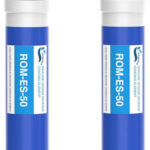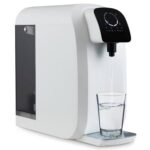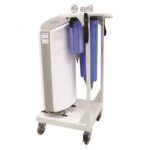

Tankless Reverse Osmosis System technology provides purified drinking water without relying on the traditional storage tank found in many conventional RO systems. It combines membrane filtration with compact, on-demand water production. This sleek design can save cabinet space while delivering convenient access to treated drinking water. For modern households facing poor water quality, high TDS, unpleasant taste, or mineral-heavy water, tankless RO offers an attractive solution.
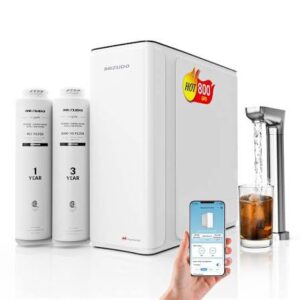


What Is a Tankless Reverse Osmosis System?
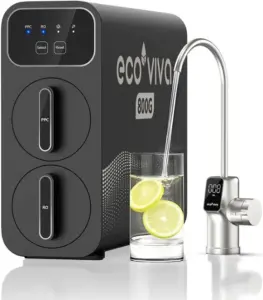
A Tankless Reverse Osmosis System is a compact reverse osmosis system that produces treated water directly when required. Unlike traditional RO equipment, it does not depend on a large storage tank beneath the sink. Water passes through pre-filters before reaching the ro membrane, where pressure drives the purification process. The treated water then flows through final filtration before reaching the dedicated drinking-water faucet.
The basic process is simple but highly engineered. A sediment filter captures particles such as sand, rust, and dirt. A carbon filter can reduce chlorine, unpleasant odours, and selected organic compounds. The reverse osmosis membrane then provides the primary dissolved-contaminant reduction stage.
8 Sleek Advantages of a Tankless Reverse Osmosis System
1. Saves Valuable Kitchen Space
The most obvious advantage of a Tankless Reverse Osmosis System is its compact footprint. Traditional systems commonly require a storage tank that occupies substantial cabinet space. A tankless design eliminates that bulky component from the installation. This creates a cleaner and more organized kitchen environment.
The compact design is particularly useful for apartments and modern kitchens with limited storage. It can also simplify access beneath the sink for household items. Homeowners seeking an under sink reverse osmosis solution can therefore consider tankless configurations. The result is a more streamlined water-treatment installation.
2. Produces Water On Demand
A conventional RO system typically stores purified water inside a pressure tank. Tankless equipment instead uses a pump and filtration system to produce water when needed. This can provide a convenient supply for drinking, cooking, and food preparation. It also reduces dependence on stored treated water.
A high-performance system can therefore provide efficient water production while occupying less space. Production capacity is commonly expressed in GPD, meaning gallons per day. Some systems are designed for higher household demand, while others suit smaller families. Capacity should always match expected daily consumption.
3. Offers a Modern, Sleek Appearance
Modern homeowners increasingly consider appearance alongside performance. A tankless ro system provides a cleaner installation because there is no large cylindrical pressure tank beneath the counter. The visible faucet can also complement contemporary kitchen fixtures. This creates a premium appearance without sacrificing filtration functionality.
The equipment itself can be designed around compact components and integrated controls. Some advanced systems include digital monitoring and filter-life indicators. These features can simplify maintenance and provide useful information about system operation. However, specifications vary significantly between manufacturers.
4. Provides Multi-Stage Water Treatment
A tankless unit can incorporate several filtration stages into one compact system. Depending on the model, these may include sediment filtration, carbon filtration, RO membrane treatment, and post-filtration. Some systems also offer reverse osmosis with remineralization or UV treatment. The number of stages should not be the only consideration when comparing systems.
For example, a 5 stage reverse osmosis system can provide multiple treatment barriers before water reaches the faucet. Other configurations include 6 stage reverse osmosis system and 7 stage reverse osmosis system designs. A ro uv water purifier adds ultraviolet treatment where appropriate. The correct combination depends on the incoming water quality and treatment objectives.
5. Helps Improve Drinking-Water Quality
A properly designed reverse osmosis water filtration system can reduce many dissolved substances. This makes RO particularly useful for households dealing with high TDS, salty water, mineral-heavy water, or unpleasant taste. Pre-filtration can also address sediment and other particles before water reaches the membrane. The result can be cleaner and more refreshing drinking water.
However, RO should not be treated as a universal answer to every water-quality problem. Certain conditions require specialized pretreatment. For example, elevated iron, hardness, or heavy sediment may require additional filtration. Water testing should therefore precede system selection.
6. Can Provide Efficient Water Management
Modern reverse osmosis water treatment equipment is designed with efficiency in mind. Some systems use smart pumps and improved membrane technology to increase production performance. The actual recovery rate and wastewater volume vary by model and operating conditions. Buyers should therefore examine technical specifications rather than relying on marketing descriptions.
Efficiency also affects the long-term ro system cost. Consider filter replacement, membrane replacement, electricity, installation, and wastewater when calculating ownership expenses. A lower purchase price does not necessarily mean lower total cost. A proper cost comparison should include the complete operating cycle.
7. Simplifies Monitoring and Maintenance
Many contemporary tankless units include electronic indicators that show filter condition or system status. This can make routine servicing easier for homeowners. Regular replacing reverse osmosis filters remains important for maintaining expected performance. Membrane life also depends heavily on feed-water quality and pretreatment.
Common warning signs include reduced flow, unusual taste, persistent odour, leaks, or unexpected changes in water quality. These symptoms may indicate exhausted filters or other system problems. Following the manufacturer’s maintenance guide can prevent avoidable failures. Professional servicing is recommended when troubleshooting does not resolve the issue.
8. Fits Modern Residential Water-Treatment Needs
A tankless configuration can work particularly well for apartments, contemporary homes, offices, and smaller commercial environments. It can also complement a broader water-treatment system where storage tanks and whole-house filtration are already installed. For example, a water tank filter can address incoming sediment before RO treatment. Additional equipment can then target specific water-quality problems.
Households with borehole or well supplies should pay particular attention to pretreatment. A reverse osmosis system for well water may require sediment removal, iron treatment, softening, or other conditioning. This protects the membrane and improves system reliability. Professional water analysis provides a stronger basis for equipment selection.


Tankless Reverse Osmosis System vs Traditional RO
The main difference is water storage. Traditional RO systems commonly use a pressure tank to store purified water. Tankless systems generally produce treated water directly through a pump-driven filtration process. Tankless equipment therefore prioritizes compactness and on-demand production.
Neither design is automatically suitable for every property. Traditional systems can provide stored treated water, while tankless systems can save cabinet space. The decision should consider household demand, available pressure, installation space, electricity, maintenance, and water quality. This makes a professional comparison more useful than choosing based solely on appearance.
Tankless Reverse Osmosis System Buying Guide
Before buying a Tankless Reverse Osmosis System, test the incoming water. Important parameters may include TDS, hardness, iron, pH, sediment, and microbiological quality. Then compare membrane capacity, GPD rating, pump specifications, filtration stages, recovery rate, filter life, and replacement-part availability. These factors provide a stronger foundation for an informed purchase.
Buyers should also investigate ro water purifier price, ro filter price, ro membrane price, installation cost, and maintenance cost. Ask about warranty coverage and the availability of replacement cartridges. Check whether professional installation is included or charged separately. A reliable supplier should be able to provide a clear quotation and system specifications.
Common Problems and Costly Mistakes to Avoid
One common mistake is selecting an RO unit without testing the water source. Another is assuming that more filtration stages automatically guarantee superior treatment. Incorrect pressure, inadequate pretreatment, poor installation, and delayed filter replacement can also reduce performance. These problems can increase maintenance expenses and shorten membrane life.
Homeowners should also avoid comparing products solely by purchase price. Consider the cost of reverse osmosis system, filter replacement, membrane replacement, electricity, wastewater, and servicing. The cheapest option may not provide the most suitable long-term configuration. A complete cost assessment is therefore essential before purchase.
Where Tankless RO Systems Can Be Used
Demand for advanced household water treatment continues across Ghana, Togo, Benin, Côte d’Ivoire, Liberia, Sierra Leone, The Gambia, Cape Verde, and Senegal. Applications include homes and apartments in Accra, Kumasi, Cotonou, Lomé, Abidjan, Monrovia, and Freetown. Other relevant locations include Banjul, Dakar, Sekondi-Takoradi, Tamale, Sunyani, and Tema.
Tankless RO applications can also serve properties in Cape Coast, Elmina, Winneba, Keta, Ada Foah, and Ho. Local water conditions can differ significantly between communities and individual properties. This makes source testing important when selecting membranes, pre-filters, pumps, and treatment stages. The same principle applies to residential, office, hospitality, and small-business applications.
Why Choose VistaGreen for Water Treatment?
VistaGreen provides professionally designed water-treatment solutions for residential and broader African applications. Its approach considers source-water characteristics, filtration requirements, capacity, installation conditions, and maintenance needs. This can include RO systems, tank filtration, pumps, membranes, UV treatment, softening, and other complementary technologies. Proper system design helps ensure that equipment addresses the actual water-quality challenge.
For homeowners seeking a reverse osmosis system for home, professional assessment can prevent unnecessary equipment purchases. The same principle applies when considering a whole house reverse osmosis system or specialized commercial installation. A technically appropriate solution should balance performance, budget, maintenance, and long-term operating requirements. This creates a more practical path toward cleaner household water.
Frequently Asked Questions
What is a Tankless Reverse Osmosis System?
A Tankless Reverse Osmosis System is an RO filtration unit that produces purified water on demand without using a conventional storage tank.
Is tankless RO better than traditional RO?
The two designs have different characteristics. Tankless models prioritize compactness and on-demand production, while traditional systems provide stored purified water.
Does tankless RO remove dissolved contaminants?
RO membranes can reduce many dissolved substances. Performance depends on membrane quality, water pressure, pretreatment, feed-water conditions, and system design.
Can tankless RO treat borehole water?
Yes, but borehole water should be tested first. Iron, hardness, sediment, or other contaminants may require pretreatment before RO.
How often should tankless RO filters be replaced?
Replacement intervals depend on water quality, household consumption, filter type, and manufacturer recommendations. Heavy contamination can shorten filter life.
Does a tankless RO system waste water?
RO systems normally produce a concentrated wastewater stream during membrane filtration. The amount varies according to system design, membrane technology, pressure, and recovery efficiency.
Conclusion
A Tankless Reverse Osmosis System combines advanced membrane filtration with a compact, modern installation. Its key advantages include space savings, on-demand production, sleek design, flexible filtration, and convenient monitoring. However, performance depends on correct sizing, water testing, adequate pressure, pretreatment, and regular maintenance. For homeowners seeking efficient drinking-water treatment, tankless RO can provide a practical and sophisticated option.
Get Your Water Treatment Solution!
🌐 Visit: https://www.vistagreen.africa/
📧 Email: info@vistagreen.africa
📞 Call/WhatsApp: +233 208 995 720, +234 911 416 6874
VistaGreen — Engineering Innovation. Building Trust.
At Vista Green, we provide Portable Toilets in Accra, Portable Toilet Price in Ghana, Mobile Toilets in Cotonou, Mobile Toilet for Hire, Portable Toilets for Seniors, Portable Toilets for RVs, FRP Portable Toilet, Readymade Toilet and Bathroom, Emergency Portable Toilet Rental, Portable Toilet Business in Ghana, Portable Toilet Rental Cost, Portable Chemical Toilet vs Flush Toilet, Portable Sink and Toilet, Portable Toilet Price in Cotonou, Portable Toilets for Sale in Ghana,
Water Filter and Purifier for Tank, Water Purifier in Ghana, Osmosis Water Purification, RO Water Purifier, Reverse Osmosis Machine, RO Technology in Water Purifier, Reverse Osmosis Water Treatment, Under Sink Reverse Osmosis System, whole home reverse osmosis, Residential Reverse Osmosis System, Tankless Reverse Osmosis System,