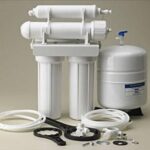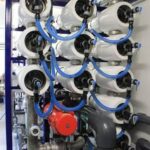

Seawater Reverse Osmosis is a desalination process that uses high pressure and a specialized membrane to remove much of the dissolved salt from seawater. It helps coastal communities, industries, hotels, and water suppliers access an additional source of usable water. By reducing dependence on freshwater sources, this advanced technology can strengthen water resilience where conventional supplies are limited. VistaGreen provides water treatment solutions designed around specific water quality, capacity, and operational requirements. Understanding how the process works helps buyers make informed, cost-effective decisions.


What Is Seawater Reverse Osmosis and How Does It Work?
Seawater Reverse Osmosis forces pretreated seawater through a semipermeable membrane under pressure. The membrane allows water molecules to pass while rejecting most dissolved salts and many other substances. The process produces two streams: treated permeate and concentrated brine. Final water quality depends on system design, membrane performance, operating conditions, and any required post-treatment.
9 Powerful Benefits of Seawater Reverse Osmosis
1. Converts Salty Water Into Usable Water
The primary benefit is reducing seawater salinity to levels suitable for designated applications. Additional treatment and verification are essential before the water is approved for drinking.
2. Diversifies Water Supplies
Coastal businesses can supplement limited freshwater resources with properly treated seawater. This can improve supply resilience during droughts or periods of increased demand.
3. Supports Commercial and Industrial Operations
Hotels, factories, estates, and selected industrial facilities may benefit from reliable desalinated water. System capacity should match actual demand, peak consumption, and required water specifications.
4. Enables Large-Scale Water Production
A well-designed seawater reverse osmosis plant can produce substantial volumes when supported by suitable pumps, membranes, pretreatment, and energy infrastructure. Production capacity depends on feed-water conditions and equipment specifications.
5. Reduces Dissolved Salt Concentrations
Specialized membranes reject most dissolved salts, helping lower total dissolved solids (TDS). Performance varies, so operators should monitor conductivity, pressure, recovery, and water quality.
6. Offers Flexible System Configurations
Different reverse osmosis systems support different production requirements. Modular equipment can help businesses plan capacity, storage, pretreatment, and distribution around their facilities.
7. Supports Consistent Water Quality
Proper pretreatment removes suspended particles and reduces membrane fouling risks. Monitoring and scheduled servicing help maintain performance and identify operational problems early.
8. Creates Opportunities for Coastal Communities
Desalination can support tourism, food processing, commercial developments, and selected municipal applications. Its value depends on affordability, energy availability, environmental safeguards, and responsible brine management.
9. Strengthens Long-Term Water Planning
A seawater treatment plant can become part of a broader water security strategy. Businesses should assess capital investment, electricity, membrane replacement, maintenance, intake infrastructure, and brine disposal before purchasing equipment.


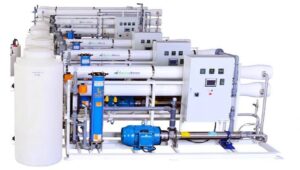
Choosing a Reliable Seawater Reverse Osmosis System
A professional buying guide begins with seawater analysis, required daily output, pretreatment needs, energy consumption, and installation conditions. Ask suppliers for verified specifications, expected recovery rates, maintenance requirements, and a transparent total-cost breakdown. Avoid choosing equipment based on price alone.
Regional needs differ across Ghana, including Accra, Kumasi, Sekondi-Takoradi, Tamale, Sunyani, Tema, Cape Coast, Elmina, Winneba, Keta, Ada Foah, and Ho. Coastal and regional opportunities also exist in Benin (Cotonou), Togo (Lomé), Côte d’Ivoire (Abidjan), Liberia (Monrovia), Sierra Leone (Freetown), The Gambia (Banjul), Cape Verde, and Senegal (Dakar). Every project requires location-specific water testing, engineering assessment, and environmental planning.
Conclusion
Seawater Reverse Osmosis offers a powerful way to expand water supplies when freshwater resources are insufficient. With appropriate engineering, energy planning, maintenance, and environmental management, desalination can support dependable water production. VistaGreen helps businesses explore water treatment solutions aligned with their operational needs.
Frequently Asked Questions
Is seawater reverse osmosis water safe to drink?
It can produce drinking water when the complete treatment process meets applicable standards. Disinfection, remineralization where appropriate, hygienic handling, and laboratory testing may be required.
Is seawater reverse osmosis expensive?
Costs depend on plant capacity, energy prices, seawater conditions, pretreatment, installation, maintenance, and brine management.
What is the difference between seawater and brackish-water reverse osmosis?
Seawater systems handle higher salinity and generally require greater operating pressure. Brackish-water systems treat less salty water and have different membrane and energy requirements.
How often should seawater reverse osmosis membranes be replaced?
Replacement timing depends on feed-water quality, pretreatment effectiveness, operating conditions, and membrane performance. Routine monitoring helps determine when cleaning or replacement is necessary.
What happens to the concentrated brine?
Brine must be managed according to local environmental requirements. Discharge planning should consider salinity, marine ecosystems, dilution, and appropriate disposal options.
Get Your Water Treatment Solution!
🌐 Visit: https://www.vistagreen.africa/
📧 Email: info@vistagreen.africa
📞 Call/WhatsApp: +233 208 995 720, +234 911 416 6874
VistaGreen — Engineering Innovation. Building Trust.
At Vista Green, we provide Portable Toilets in Accra, Portable Toilet Price in Ghana, Mobile Toilets in Cotonou, Mobile Toilet for Hire, Portable Toilets for Seniors, Portable Toilets for RVs, FRP Portable Toilet, Readymade Toilet and Bathroom, Emergency Portable Toilet Rental, Portable Toilet Business in Ghana, Portable Toilet Rental Cost, Portable Chemical Toilet vs Flush Toilet, Portable Sink and Toilet, Portable Toilet Price in Cotonou, Portable Toilets for Sale in Ghana,
Water Filter and Purifier for Tank, Water Purifier in Ghana, Osmosis Water Purification, RO Water Purifier, Reverse Osmosis Machine, RO Technology in Water Purifier, Reverse Osmosis Water Treatment, Under Sink Reverse Osmosis System, whole home reverse osmosis, Residential Reverse Osmosis System, Tankless Reverse Osmosis System, Portable Reverse Osmosis System, Countertop Reverse Osmosis System, Water Softener and Reverse Osmosis System, RO Membrane, RO membrane price, Water Disinfection System, Small Reverse Osmosis System, RO Drinking Water System, 5 Stage Reverse Osmosis System, Reverse Osmosis Remineralization, Commercial Reverse Osmosis System, Reverse Osmosis Machine Price, Countertop Reverse Osmosis System, whole home reverse osmosis system, Water Softener and Reverse Osmosis, RO Membrane, Cost of Reverse Osmosis System, Pure Water Machine Price, Reverse Osmosis Systems, Commercial Reverse Osmosis System, Seawater Reverse Osmosis,
Electric Oven for Baking, Gas Cooker With Electric Oven, Oven Price in Ghana, Food Preparation Sink, Kitchen Prep Equipment, Vegetable Preparation Machine, Sandwich Preparation Table, Commercial Veg Prep Machine, Difference Between Chilling and Freezing, Chilling in Food Preservation, oven and hob,
Hydrogen Balloons Explained, Hydrogen Balloon Disaster, Hydrogen Balloon for Birthday Party, Hydrogen vs Helium Balloon, Balloon Hydrogen Pump, Industrial Kitchen Equipment, Equipment for Fast Food Business, Industrial Deep Fryer Price, Industrial Pizza Oven Price, Stainless Steel Prep Table With Sink, Industrial Food Processor, Industrial Air Fryer Price, Industrial Dishwasher