RO Water Purifier is an advanced water-treatment system that uses reverse osmosis to reduce dissolved salts, unwanted chemicals, high TDS, and other contaminants. It pushes water through a semi-permeable RO membrane under pressure. This process can produce cleaner and better-tasting drinking water when the system matches the source-water quality. For homes dealing with borehole, well, hard, salty, or mineral-heavy water, RO can provide an important purification barrier.
Unlike a basic sediment or carbon filter, an RO system is designed to address many dissolved contaminants. A typical reverse osmosis system combines sediment filtration, carbon filtration, membrane treatment, and post-treatment. Depending on the design, it may also include UV treatment or remineralization. Understanding the technology helps homeowners choose a reliable system instead of simply buying the cheapest purifier available.

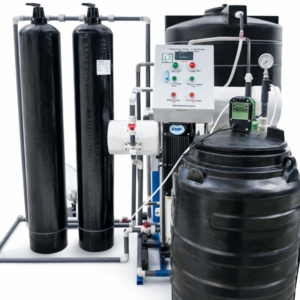


What Is an RO Water Purifier and How Does It Work?
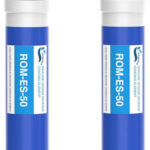
An RO Water Purifier uses pressure to force water through a semi-permeable membrane that allows water molecules to pass while reducing many dissolved substances. Before reaching the membrane, water normally passes through one or more pre-filters. These can include a sediment filter and carbon filter designed to protect the membrane and improve water quality. After RO treatment, a post-filter or remineralization filter may be used depending on the system.
The process is straightforward but highly engineered. First, sediment and larger particles are reduced. Next, carbon filtration can reduce chlorine, odours, and selected organic compounds. The ro membrane then performs the central separation process. Finally, treated water enters a storage tank or flows directly from a tankless system to the drinking point.
10 Powerful Reasons to Consider an RO Water Purifier
1. Reduces High TDS and Dissolved Contaminants
High TDS can affect the taste and appearance of drinking water. More importantly, a high TDS reading can indicate significant dissolved minerals or salts. An RO water purifier for home can reduce many dissolved substances that conventional filtration may leave behind. This makes RO particularly useful when water testing identifies elevated dissolved solids.
2. Improves Taste, Smell, and Drinking Experience
Water should taste clean and refreshing rather than metallic, salty, earthy, or unpleasant. Carbon filtration and RO treatment can help reduce substances responsible for certain tastes and odours. This can be valuable for homes using borehole or well water. However, unusual smells should always be investigated rather than hidden through filtration alone.
3. Provides Advanced Treatment for Borehole Water
Borehole water can contain sediment, iron, hardness, high TDS, and other water-quality challenges. A reverse osmosis system for well water or borehole application can provide advanced treatment after suitable pre-treatment. Heavy sediment or iron may require dedicated filtration before the RO stage. Water analysis should therefore come before equipment selection.
4. Offers Convenient Drinking-Water Treatment
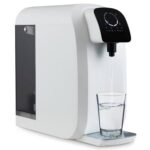
A properly installed kitchen reverse osmosis system can provide treated drinking water directly from a dedicated faucet. An under sink reverse osmosis system keeps equipment discreetly beneath the kitchen counter. A countertop system may suit apartments or homes where plumbing modifications are limited. Tankless systems can provide another convenient option where cabinet space is restricted.
5. Provides Flexible System Types
RO technology is available in different configurations for different applications. A household may choose a 5 stage reverse osmosis system, while more advanced systems can include six or seven stages. Commercial properties may need a commercial reverse osmosis system with higher flow capacity. Industrial facilities may require a much larger industrial reverse osmosis system designed around production requirements.
The right configuration depends on water quality, daily demand, pressure, available space, and treatment objectives. Common options include 4 stage reverse osmosis system, 5 stage RO system, 6 stage RO system, and 7 stage RO system designs. Some systems incorporate UV, carbon filtration, softening, or remineralization. More stages do not automatically mean better purification.
6. Can Be Combined With UV and Remineralization
Some homeowners prefer an RO UV water purifier for additional microbial-control treatment. Others choose reverse osmosis with remineralization to add selected minerals after membrane filtration. These features can be useful when supported by the water-quality assessment. The goal should always be appropriate treatment rather than unnecessary equipment.
A ro system with remineralization may improve the taste profile of treated water. Similarly, reverse osmosis with UV light can provide another treatment barrier. Professional system design determines whether these additions are genuinely beneficial. This approach avoids paying for features that do not address the home’s actual water-quality problems.
7. Supports Different Household Sizes
A small apartment may need a compact small reverse osmosis system, while a large family may require greater storage and filtration capacity. A whole-property application can involve a whole house reverse osmosis system where technically appropriate. However, whole-house RO requires careful consideration of flow rates, wastewater, pressure, and treatment economics. Point-of-use treatment is often more practical for drinking and cooking.
8. Provides Options for Commercial and Industrial Applications
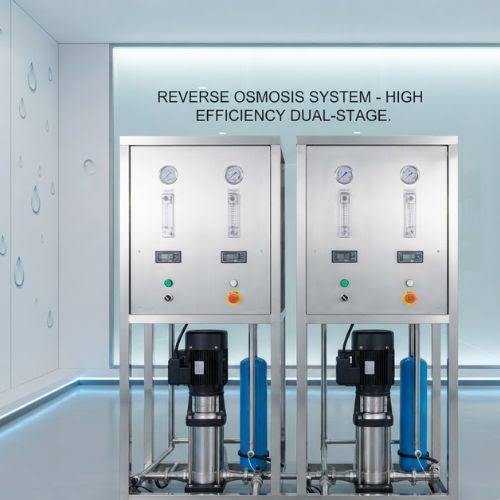
RO is not limited to residential drinking water. Hotels, restaurants, hospitals, schools, churches, offices, factories, estates, and water-production facilities can use appropriately designed RO systems. A commercial RO system can provide treated water for drinking, food preparation, production, and other applications. Industrial facilities may require high-flow membranes, pumps, pressure vessels, monitoring, and automated controls.
A 400 GPD RO system, for example, may suit some smaller applications, while larger facilities need substantially greater capacity. Commercial and industrial systems should be sized according to actual consumption and required water quality. A professional quotation should clearly identify capacity, recovery, installation requirements, maintenance, and replacement parts.
9. Can Deliver Long-Term Value When Properly Maintained
The RO system cost should not be evaluated by purchase price alone. Homeowners should consider installation cost, filter replacement, membrane replacement, electricity, water consumption, maintenance, and running cost. A cheap system can become expensive if replacement components are difficult to source. A quality system with accessible parts and professional maintenance can offer better total value.
Regular servicing is equally important. Changing reverse osmosis filters at suitable intervals helps maintain system performance. Membrane life depends on feed-water quality, pressure, pre-treatment, usage, and maintenance. Warning signs such as declining flow, unusual taste, or increased TDS should trigger troubleshooting.
10. Provides a More Informed Alternative to Guesswork
One of the biggest advantages of RO is not simply the technology itself. It is the ability to design treatment around measurable water-quality problems. Testing can identify TDS, hardness, iron, sediment, microbial contamination, and other concerns. The treatment system can then be selected according to the actual problem.
This is why the best RO water purifier is not necessarily the most expensive model or the one with the most filtration stages. The best choice is the system whose specifications match the source water and household requirements. A professional water treatment assessment provides a more reliable starting point than online price comparison alone.


RO Water Purifier Buying Guide: What Should You Check?
Before buying, check the source-water quality, daily consumption, storage requirements, operating pressure, filtration capacity, and available installation space. Compare membrane quality, pump specifications, filter availability, warranty, maintenance requirements, and replacement costs. Ask for a detailed quotation rather than relying on an attractive advertised price. These factors help determine whether an RO system is genuinely worth the investment.
For a home, consider whether you need an under sink reverse osmosis filter, countertop reverse osmosis, or tankless solution. For larger properties, investigate high-capacity systems and appropriate pre-treatment. If your water contains significant iron or sediment, a dedicated iron removal filter for water tank or sediment-treatment stage may be necessary before RO. Professional installation can also prevent avoidable plumbing and pressure problems.
RO vs Conventional Water Filtration
Traditional filtration and RO should not be treated as competing technologies in every situation. Sediment filters are useful for suspended particles, while carbon filters can address chlorine and certain taste and odour issues. RO focuses on reducing many dissolved substances that ordinary filtration does not adequately remove. In many systems, the technologies work together.
For example, a complete reverse osmosis water filtration system may use sediment and carbon pre-filters before the membrane. Additional UV or remineralization can follow the membrane when justified. This layered approach is often more effective than expecting one filter to solve every water-quality problem. Testing remains the foundation of good treatment design.
Common Problems and Maintenance Tips
Common RO problems include low water pressure, slow production, unusual taste, membrane fouling, exhausted filters, and incorrect tank pressure. Sediment and carbon filters should be replaced according to the manufacturer’s recommendations and actual water conditions. The RO membrane should also be monitored rather than replaced blindly. Regular servicing helps identify performance changes before they become costly.
Homeowners should also inspect connections, storage tanks, faucets, and drainage arrangements. A properly maintained reverse osmosis water treatment system should operate consistently within its design specifications. If TDS rises unexpectedly, investigate the membrane, pressure, filters, and feed-water quality. Professional troubleshooting is advisable when the cause is unclear.
RO Water Treatment Across Nigeria and West Africa
Demand for advanced water treatment spans major Nigerian cities and commercial centres. Lagos, Abuja, and Port Harcourt have diverse residential and commercial applications, while cities such as Ibadan, Benin, Enugu, and Kano also have growing treatment needs. Borehole-dependent communities can particularly benefit from properly designed filtration and purification systems. Regional water conditions should always determine the final system specification.
Across West Africa, applications extend to Accra, Kumasi, Sekondi-Takoradi, Tamale, Sunyani, Tema, Cape Coast, Elmina, Winneba, Keta, Ada Foah, and Ho in Ghana. Similar requirements occur in Cotonou, Lomé, Abidjan, Monrovia, Freetown, Banjul, Cape Verde, and Dakar. The appropriate RO configuration can differ significantly between locations. Local water testing therefore remains essential.
Why Choose VistaGreen?
VistaGreen provides professional water-treatment solutions for residential, commercial, and industrial applications across Nigeria and African markets. Its approach focuses on matching treatment technology to water quality, consumption, operational requirements, and long-term maintenance. This is particularly important for customers considering domestic RO, commercial purification, or larger treatment plants. Proper assessment helps ensure that equipment performs according to its intended purpose.
For customers seeking an RO water purifier near me, the priority should be finding a supplier capable of assessment, installation, servicing, and replacement-part support. A reliable provider should explain specifications, expected maintenance, installation requirements, and total ownership costs. This creates a more transparent buying process. It also helps customers avoid costly mistakes caused by unsuitable equipment.
Frequently Asked Questions
What is an RO Water Purifier?
An RO Water Purifier is a water-treatment system that uses a semi-permeable membrane to reduce many dissolved salts, minerals, and contaminants from water.
Is RO suitable for borehole water?
Yes, but borehole water should be tested first. Sediment, iron, hardness, and other contaminants may require pre-treatment before the RO membrane.
Is RO better than a normal water filter?
It depends on the water problem. Sediment and carbon filters are excellent for specific contaminants, while RO provides additional treatment for many dissolved substances.
How many stages should an RO system have?
There is no universal number. Four-, five-, six-, and seven-stage systems are available, but the correct configuration depends on water quality and treatment requirements.
How much does an RO purifier cost?
The RO water purifier price depends on capacity, membrane type, stages, pump requirements, storage, installation, brand, and maintenance requirements.
Does RO remove all minerals?
RO reduces many dissolved minerals and salts. Systems with remineralization can add selected minerals after membrane treatment where appropriate.
Conclusion
An RO Water Purifier can be a powerful solution when household water contains high TDS, dissolved contaminants, unpleasant taste, or other treatment challenges. Its real value comes from selecting the right system for the actual water quality. Professional testing, proper installation, quality components, and regular maintenance are essential for reliable performance. Instead of choosing purely by price, homeowners should evaluate purification needs, specifications, running costs, service support, and long-term value.
Get Your Water Treatment Solution!
🌐 Visit: www.vistagreen.africa
📧 Email: info@vistagreen.africa
📞 Call/WhatsApp: +233 208 995 720, +234 911 416 6874
VistaGreen — Engineering Innovation. Building Trust.
At Vista Green, we provide Portable Toilets in Accra, Portable Toilet Price in Ghana, Mobile Toilets in Cotonou, Mobile Toilet for Hire, Portable Toilets for Seniors, Portable Toilets for RVs, FRP Portable Toilet, Readymade Toilet and Bathroom, Emergency Portable Toilet Rental, Portable Toilet Business in Ghana, Portable Toilet Rental Cost, Portable Chemical Toilet vs Flush Toilet, Portable Sink and Toilet, Portable Toilet Price in Cotonou, Portable Toilets for Sale in Ghana,
Water Filter and Purifier for Tank, Water Purifier in Ghana, Osmosis Water Purification, RO Water Purifier,