
4 Stage Reverse Osmosis System is a water purification setup that typically combines four filtration stages to reduce sediment, chlorine, dissolved impurities, and other unwanted substances. It can improve water clarity, taste, and odour when correctly selected and maintained. For households, offices, restaurants, and small businesses, this technology offers a practical route to better-treated water. Understanding its stages, limitations, and maintenance requirements helps buyers make confident decisions.
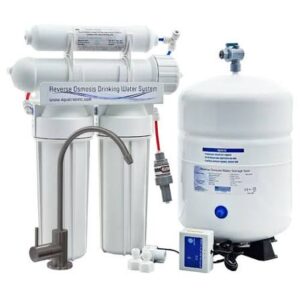
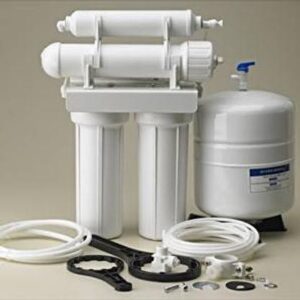
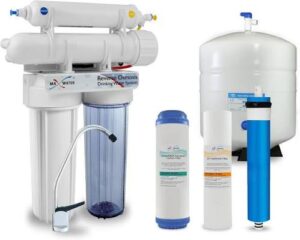
How a 4 Stage Reverse Osmosis System Works
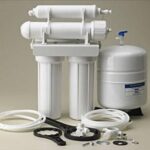
A typical four-stage reverse osmosis system uses progressively finer treatment processes. The exact configuration varies by manufacturer, water conditions, and intended application.
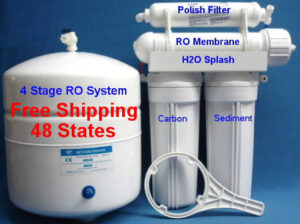
- Stage 1: Sediment filter captures sand, rust, and suspended particles that can clog downstream components.
- Stage 2: Carbon filter reduces chlorine and certain compounds affecting water taste and odour.
- Stage 3: RO membrane separates many dissolved salts and impurities from water under pressure.
- Stage 4: Post-carbon filter helps refine taste before water reaches the dispensing tap.
This reverse osmosis water filter arrangement is common in residential systems, although some models use different stage sequences. Buyers should confirm the actual specifications, filtration capacity, membrane compatibility, and replacement requirements before purchasing.
8 Essential Benefits and Features
1. Improved Taste and Clarity
A properly maintained 4 Stage Reverse Osmosis System can reduce unpleasant tastes and odours while producing clearer water. Performance depends on the incoming water quality and the condition of each filter.
2. Multiple Filtration Barriers – 4 Stage Reverse Osmosis System
Sediment, carbon, and membrane filtration perform different functions. Together, these stages provide a more comprehensive treatment approach than relying on a single basic filter.
3. Support for Household Drinking Water – 4 Stage Reverse Osmosis System
A reverse osmosis water purifier can suit kitchens, apartments, and family homes. However, laboratory testing and appropriate disinfection remain important when water safety is uncertain.
4. Protection for the RO Membrane – 4 Stage Reverse Osmosis System
Pre-filters help reduce sediment and chlorine exposure when the system is designed for those contaminants. Timely replacement can protect the membrane and support consistent performance.
5. Flexible Installation Options – 4 Stage Reverse Osmosis System
Under-sink and countertop configurations accommodate different spaces and plumbing arrangements. Check available pressure, drainage, storage capacity, and installation requirements before choosing a model.
6. Potentially Lower Long-Term Costs
Compare the initial reverse osmosis system price with replacement filters, membrane costs, water usage, electricity where applicable, and professional servicing. A low purchase price may not mean the lowest total ownership cost.
7. Options for Different Applications – 4 Stage Reverse Osmosis System
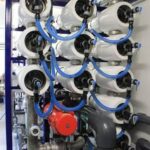
Residential systems differ from a commercial reverse osmosis system designed for hotels, restaurants, factories, or higher water demand. Large-scale applications require capacity calculations and appropriate pretreatment.
8. Manageable Routine Maintenance – 4 Stage Reverse Osmosis System
A clear reverse osmosis maintenance guide should specify filter-change intervals, sanitisation procedures, leak checks, and membrane performance testing. Actual schedules depend on usage and incoming water quality.

Buying Guide: What Should You Check?
Before purchasing, test the source water and identify concerns such as high TDS, hardness, iron, or microbial contamination. Reverse osmosis reduces many dissolved substances, but it does not automatically remove every contaminant under all operating conditions.
Ask suppliers about filtration capacity, water recovery, operating pressure, replacement-part availability, installation costs, and warranty coverage. Compare a four-stage model with a 5 stage reverse osmosis system only after checking what the additional stage actually does.
For regional buyers, VistaGreen serves customers seeking water-treatment solutions across Nigeria and wider West Africa. Enquiries may come from Ghana, including Accra, Kumasi, Sekondi-Takoradi, Tamale, Sunyani, Tema, Cape Coast, Elmina, Winneba, Keta, Ada Foah, and Ho. Regional markets also include Cotonou, Lomé, Abidjan, Monrovia, Freetown, Banjul, Cape Verde, and Dakar.
Conclusion
A 4 Stage Reverse Osmosis System can provide practical, multi-barrier water treatment when matched to the source water and maintained correctly. The smartest purchase prioritises verified performance, suitable capacity, accessible replacement filters, and professional installation. Choose a system based on tested water conditions rather than stage count alone.
Frequently Asked Questions About 4 Stage Reverse Osmosis System
Is a four-stage RO system suitable for home use?
Yes, it can suit household drinking-water needs when its capacity and treatment stages match the source water and intended use.
Does reverse osmosis remove all contaminants?
No. Performance varies by contaminant and system design. Water testing and additional treatment may be necessary.
How often should the filters be replaced?
Follow the manufacturer’s schedule and adjust maintenance according to water quality, usage, and performance testing.
Is a four-stage system better than a five-stage system?
Not necessarily. Compare the filtration functions, membrane quality, performance specifications, and maintenance costs rather than counting stages alone.
Get Your Water Treatment Solution!
🌐 Visit: https://www.vistagreen.africa/
📧 Email: info@vistagreen.africa
📞 Call/WhatsApp: +233 208 995 720, +234 911 416 6874
VistaGreen — Engineering Innovation. Building Trust.
At Vista Green, we provide Portable Toilets in Accra, Portable Toilet Price in Ghana, Mobile Toilets in Cotonou, Mobile Toilet for Hire, Portable Toilets for Seniors, Portable Toilets for RVs, FRP Portable Toilet, Readymade Toilet and Bathroom, Emergency Portable Toilet Rental, Portable Toilet Business in Ghana, Portable Toilet Rental Cost, Portable Chemical Toilet vs Flush Toilet, Portable Sink and Toilet, Portable Toilet Price in Cotonou, Portable Toilets for Sale in Ghana,
Water Filter and Purifier for Tank, Water Purifier in Ghana, Osmosis Water Purification, RO Water Purifier, Reverse Osmosis Machine, RO Technology in Water Purifier, Reverse Osmosis Water Treatment, Under Sink Reverse Osmosis System, whole home reverse osmosis, Residential Reverse Osmosis System, Tankless Reverse Osmosis System, Portable Reverse Osmosis System, Countertop Reverse Osmosis System, Water Softener and Reverse Osmosis System, RO Membrane, RO membrane price, Water Disinfection System, Small Reverse Osmosis System, RO Drinking Water System, 5 Stage Reverse Osmosis System, Reverse Osmosis Remineralization, Commercial Reverse Osmosis System, Reverse Osmosis Machine Price, Countertop Reverse Osmosis System, whole home reverse osmosis system, Water Softener and Reverse Osmosis, RO Membrane, Cost of Reverse Osmosis System, Pure Water Machine Price, Reverse Osmosis Systems, Commercial Reverse Osmosis System, Seawater Reverse Osmosis, 4 Stage Reverse Osmosis System,
Electric Oven for Baking, Gas Cooker With Electric Oven, Oven Price in Ghana, Food Preparation Sink, Kitchen Prep Equipment, Vegetable Preparation Machine, Sandwich Preparation Table, Commercial Veg Prep Machine, Difference Between Chilling and Freezing, Chilling in Food Preservation, oven and hob,
Hydrogen Balloons Explained, Hydrogen Balloon Disaster, Hydrogen Balloon for Birthday Party, Hydrogen vs Helium Balloon, Balloon Hydrogen Pump, Industrial Kitchen Equipment, Equipment for Fast Food Business, Industrial Deep Fryer Price, Industrial Pizza Oven Price, Stainless Steel Prep Table With Sink, Industrial Food Processor, Industrial Air Fryer Price, Industrial Dishwasher