
Reverse Osmosis Machine technology is an advanced water purification solution that uses pressure and a semi-permeable membrane to reduce dissolved contaminants from water. It can improve water affected by sediment, unpleasant taste, high TDS, salts, and certain dissolved impurities. For homes, offices, hotels, hospitals, restaurants, schools, and production facilities, choosing the right system requires more than comparing prices. The membrane, filtration stages, capacity, pressure, maintenance requirements, and application should all match your water quality and daily demand.

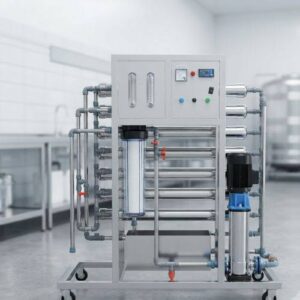


What Is a Reverse Osmosis Machine?
A Reverse Osmosis Machine is a water treatment unit that pushes water under pressure through a specialised membrane. The membrane allows water molecules to pass while rejecting many dissolved salts, contaminants, and other unwanted substances. Most systems combine sediment and carbon filtration with the RO membrane for more effective treatment. Depending on the application, a system may also include UV disinfection, remineralization, storage, monitoring, or water-softening components.
The process begins with pre-filtration, where sediment and larger particles are reduced. Carbon filtration can help reduce chlorine, odours, and compounds that may affect the membrane. Water then passes through the reverse osmosis membrane, which performs the primary dissolved-contaminant separation. The treated water can then pass through polishing or remineralization stages before reaching a storage tank or dispensing point.
10 Smart Features to Check Before Buying
1. Reverse Osmosis Machine Membrane Quality
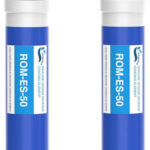
The membrane is the heart of an RO system, so its quality deserves serious attention. Look for reliable membrane specifications, suitable rejection performance, appropriate flow capacity, and replacement availability. The ro membrane should match the feed-water conditions and expected production volume. For commercial and industrial applications, membrane quality becomes even more important because downtime can quickly increase operating costs.
2. Filtration Stages and Pre-Treatment – Reverse Osmosis Machine
Do not assume that more stages automatically mean better purification. A 5 stage reverse osmosis system, for example, may combine sediment, carbon, RO, and post-treatment filtration effectively for a particular application. Some installations may require 3-stage, 4-stage, 6-stage, or 7-stage configurations. The correct combination depends on contaminants, source water, desired quality, and treatment objectives.
For borehole or well water, pre-treatment may need to address sediment, iron, hardness, or other water-quality problems before RO treatment. A Water Filter and Purifier for tank can also complement an RO installation where stored water requires additional protection. Proper assessment is more valuable than simply choosing the system with the longest specification sheet.
3. Production Capacity and GPD Rating – Reverse Osmosis Machine
Capacity determines how much purified water the system can produce within a specific period. Residential units may be relatively compact, while commercial facilities can require high-capacity equipment. Specifications such as 400 GPD should be evaluated against actual daily demand and operating conditions. A system that is too small may struggle during peak consumption, while excessive capacity can increase unnecessary capital and running costs.
4. Pressure Pump Performance – Reverse Osmosis Machine
RO filtration requires adequate pressure to push water through the membrane effectively. A quality pump can help maintain appropriate operating pressure when incoming water pressure is insufficient. Pump selection should consider flow requirements, feed-water conditions, energy consumption, and expected operating hours. For larger systems, pressure controls and monitoring can also help maintain stable performance.
5. Storage Tank and Pressure Design – Reverse Osmosis Machine
Storage becomes important when demand fluctuates throughout the day. A properly sized tank allows treated water to be available when users need it without requiring the RO unit to operate continuously. Check the reverse osmosis tank pressure, tank material, capacity, fittings, and hygienic design. Tankless systems can be useful where space is limited, but they require appropriate flow capacity and pressure.
6. TDS Monitoring and Water-Quality Controls – Reverse Osmosis Machine
TDS monitoring provides useful information about dissolved solids before and after treatment. A good system may include a TDS meter, pressure gauges, automatic controls, leak detection, or other monitoring features. These controls make troubleshooting easier and can reveal changes in feed-water conditions. However, TDS alone does not measure every contaminant, so proper water testing remains important.
7. Remineralization and Final Treatment – Reverse Osmosis Machine
RO treatment can reduce minerals alongside unwanted dissolved substances. Some users therefore prefer systems incorporating a remineralization filter for taste and mineral balance. Other configurations may include UV treatment, carbon polishing, or alkaline remineralization. The right finishing stage depends on the intended water quality and treatment objectives rather than marketing claims.
A reverse osmosis with remineralization configuration may therefore be suitable for drinking-water applications where taste and mineral content are important. Systems using ro uv water purifier technology can provide an additional disinfection stage where appropriate. These features should be selected based on actual water-treatment requirements.
8. Maintenance and Replacement Parts – Reverse Osmosis Machine
Every RO system requires maintenance, regardless of how advanced it appears. Sediment and carbon filters require periodic replacement, while the membrane has a finite service life. Check replacement availability, filter specifications, membrane compatibility, cleaning requirements, and service support before buying. A low purchase price can become expensive if replacement parts are difficult to source.
9. Application-Specific Design – Reverse Osmosis Machine
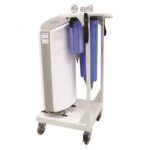
The best system depends on where and why you need it. A residential RO unit may suit a kitchen or apartment, while commercial facilities often require larger treatment capacity. Industrial operations may need an industrial reverse osmosis system with pre-treatment, storage, pumps, controls, and monitoring. Water production businesses require even more careful capacity and process planning.
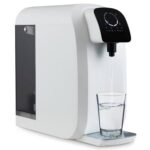
For homes, options include under sink reverse osmosis, countertop units, tankless designs, and compact systems. Whole-building applications may require a whole house reverse osmosis system or additional water-softening and filtration equipment. The correct configuration should reflect water consumption, source quality, available space, and budget.
10. Installation and Professional Support – Reverse Osmosis Machine
Installation quality can affect performance, hygiene, pressure, leakage, and long-term reliability. Check whether the supplier provides professional installation, commissioning, troubleshooting, maintenance service, and replacement parts. Ask for a clear quotation covering equipment, installation, accessories, transportation, and future service. This provides a more realistic understanding of the total cost.
Reverse Osmosis Machine Types to Consider
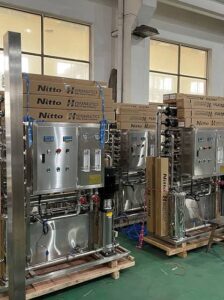
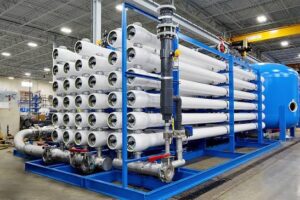
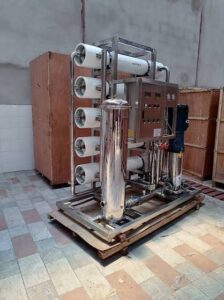
There is no single system that suits every property. Residential buyers may consider ro water purifier for home, under-counter systems, countertop units, or tankless designs. Commercial users may need a commercial reverse osmosis system for restaurants, hotels, hospitals, offices, or schools. Industrial facilities can require high-flow systems designed for production environments.
Whole-building installations can involve a whole house ro system, while smaller households may prefer a compact small reverse osmosis system. Portable equipment can also serve temporary or specialised applications. The important consideration is matching filtration capacity and treatment performance to the water source and consumption pattern.

Reverse Osmosis vs Traditional Water Filtration
Traditional filtration and RO treatment perform different functions. Sediment filters primarily target particles, while carbon filters can improve taste, odour, and certain chemical contaminants. RO technology adds a membrane-based separation process capable of reducing many dissolved substances. Therefore, RO is often considered when conventional filtration alone does not address the specific water-quality challenge.
For example, cloudy water may require sediment filtration, while mineral-heavy or high-TDS water may require more advanced treatment. Borehole and well water may also need testing before selecting an appropriate combination. In some cases, a conventional system may be more cost-effective than RO. The objective should always be safe, suitable, and reliable water treatment.
Price, Cost and Buying Considerations
The reverse osmosis system price varies according to capacity, membrane quality, filtration stages, automation, pumps, storage, installation, and application. Residential systems generally cost less than commercial or industrial equipment. However, the purchase price is only one part of the calculation. Buyers should also consider installation cost, replacement cost, maintenance cost, electricity consumption, water wastage, and expected service life.
Before requesting a quotation, establish your source water, daily demand, desired output, available installation space, and intended use. For commercial projects, request a detailed cost breakdown rather than comparing equipment prices alone. This approach helps determine whether the system is genuinely cost-effective and worth the investment.
Common Mistakes to Avoid
One common mistake is purchasing an RO system without testing the incoming water. Another is choosing capacity based only on the lowest available price. Ignoring replacement filters, membrane availability, pressure requirements, and maintenance support can create avoidable costs.
Buyers should also be cautious about exaggerated claims surrounding “the best” RO system. A premium system is not automatically the right system for every application. The best choice is the one that meets the required water-quality targets, production capacity, operating conditions, and maintenance expectations.
Regional Water Treatment Applications
Demand for advanced water treatment continues across major African markets. In Ghana, applications can extend from Accra, Kumasi, Sekondi-Takoradi, Tamale, Sunyani, Tema, Cape Coast, Elmina, Winneba, Keta, Ada Foah, and Ho to hotels, homes, institutions, and commercial facilities.
Across West Africa, water-treatment requirements also arise in Cotonou, Lomé, Abidjan, Monrovia, Freetown, Banjul, Cape Verde, and Dakar. Different locations can present different challenges involving borehole water, municipal supplies, salinity, sediment, hardness, or storage conditions. That makes site-specific water analysis important before specifying a treatment plant or domestic unit.
VistaGreen provides water-treatment expertise for residential, commercial, and larger-scale applications across African markets. Its approach focuses on selecting appropriate treatment technologies rather than promoting one universal configuration.
Frequently Asked Questions
What does a Reverse Osmosis Machine do?
A Reverse Osmosis Machine uses pressure to force water through a semi-permeable membrane. The process reduces many dissolved contaminants and is commonly combined with sediment and carbon filtration.
Is RO suitable for borehole water?
RO can be suitable for borehole water, but testing should come first. Sediment, iron, hardness, salinity, and other characteristics may require pre-treatment before the RO membrane.
Is a 5-stage RO system better than a 3-stage system?
Not necessarily. The appropriate number of stages depends on the source-water quality and treatment objectives. A well-designed system is more important than simply having more filtration stages.
How much does an RO system cost?
The cost of reverse osmosis system depends on capacity, equipment quality, automation, installation, and application. Residential, commercial, and industrial systems can have significantly different prices.
How often should RO filters be replaced?
Replacement intervals depend on water quality, usage, filter type, and manufacturer recommendations. Regular inspection helps identify declining performance before it becomes a major problem.
Conclusion
Choosing a Reverse Osmosis Machine should begin with water quality, daily demand, treatment objectives, and long-term operating costs. The membrane, pre-filtration, capacity, pressure, storage, monitoring, finishing stages, and maintenance support all influence performance. A properly specified system can provide a reliable pathway toward cleaner and more consistent water for homes and businesses. The smartest purchase is therefore not necessarily the cheapest or most expensive option, but the one engineered for your actual requirements.
Get Your Water Treatment Solution!
🌐 Visit: www.vistagreen.africa
📧 Email: info@vistagreen.africa
📞 Call/WhatsApp: +233 208 995 720, +234 911 416 6874
VistaGreen — Engineering Innovation. Building Trust.
At Vista Green, we provide Portable Toilets in Accra, Portable Toilet Price in Ghana, Mobile Toilets in Cotonou, Mobile Toilet for Hire, Portable Toilets for Seniors, Portable Toilets for RVs, FRP Portable Toilet, Readymade Toilet and Bathroom, Emergency Portable Toilet Rental, Portable Toilet Business in Ghana, Portable Toilet Rental Cost, Portable Chemical Toilet vs Flush Toilet, Portable Sink and Toilet, Portable Toilet Price in Cotonou, Portable Toilets for Sale in Ghana,
Water Filter and Purifier for Tank, Water Purifier in Ghana, Osmosis Water Purification, RO Water Purifier, Reverse Osmosis Machine,