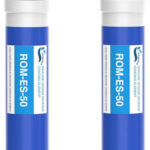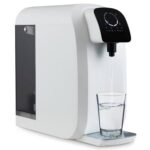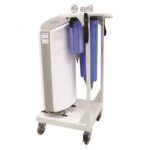

Reverse Osmosis Water Purification is an advanced water treatment process that uses pressure and a semi-permeable RO membrane to remove many dissolved contaminants from water. It can significantly reduce high TDS, salts, sediment, some metals, and other unwanted substances. This makes it valuable for drinking water, borehole water, well water, and commercial applications. For homes facing cloudy water, unpleasant taste, mineral-heavy water, or poor water quality, reverse osmosis can provide a powerful treatment layer.


What Is Reverse Osmosis Water Purification?
Reverse Osmosis Water Purification forces water through a specialized membrane under pressure, allowing water molecules to pass while retaining many dissolved contaminants. A typical reverse osmosis system combines pre-filtration, membrane separation, and post-treatment. Common components include a sediment filter, carbon filter, RO membrane, membrane housing, pump, storage tank, and optional remineralization filter. The result is treated water with substantially reduced dissolved solids and improved taste.
How Reverse Osmosis Works: A Step-by-Step Guide
The process normally begins when incoming water passes through sediment filtration. This stage captures particles such as sand, rust, dirt, and other suspended materials. Carbon filtration can then reduce chlorine, unpleasant odors, and certain organic compounds. Finally, pressure pushes the water through the reverse osmosis membrane, which performs the critical separation.
The treated water moves into a storage tank or directly through a tankless system. A post-carbon or remineralization stage can improve taste before consumption. Some advanced systems also include a UV light, pressure pump, or water softener depending on the source water. This step-by-step process makes RO particularly useful where conventional filtration alone cannot address dissolved contaminants.
Powerful Benefits of an RO Water Purification System – Osmosis Water Purification
A properly designed reverse osmosis water filtration system offers several important advantages for households and businesses. It can improve taste, reduce dissolved solids, and provide an additional barrier against many water contaminants. However, performance depends heavily on feed-water quality, pressure, membrane selection, and maintenance. The following benefits explain why RO remains popular.
- Cleaner drinking water: RO can substantially reduce many dissolved impurities and improve water clarity and taste.
- High TDS reduction: It is particularly useful for mineral-heavy or salty water where ordinary filters may be insufficient.
- Borehole applications: A reverse osmosis system for well water can help treat challenging groundwater after appropriate testing.
- Better taste: Removing certain dissolved substances can produce fresher-tasting water.
- Flexible installation: Systems are available as under sink reverse osmosis, countertop, tankless, whole-house, commercial, and industrial configurations.
- Commercial capability: High-capacity systems can support hotels, restaurants, hospitals, schools, factories, and water production facilities.
RO System Types, Features and Specifications
Choosing the right ro water system depends on water quality, daily demand, available space, pressure, and treatment objectives. A small household may require a compact system, while a production facility needs high-flow equipment. Common configurations include 3-stage, 4-stage, 5-stage, 6-stage, and 7-stage reverse osmosis systems.
For kitchens, an under sink reverse osmosis system provides treated water without occupying countertop space. A countertop reverse osmosis system is useful for apartments, offices, and temporary installations. A tankless reverse osmosis system saves space and can deliver water on demand, while a whole house reverse osmosis system is designed for broader residential treatment.
For larger requirements, a commercial reverse osmosis system or industrial reverse osmosis system may incorporate multiple membranes, pressure pumps, monitoring instruments, and larger storage capacity. Systems may also use 400 GPD membranes or higher capacities depending on demand. Professional sizing is essential because filtration capacity should match actual consumption.
Reverse Osmosis vs Conventional Water Filtration
Traditional filtration and RO are not necessarily competitors. Sediment and carbon filters are excellent for specific contaminants, while RO provides deeper treatment of many dissolved substances. A water filter and purifier for tank can protect stored water from particles and improve general water quality. However, it may not provide the same dissolved-solids reduction as RO.
The best solution depends on the water problem. Dirty or rusty water may require sediment and iron filtration before RO. Hard water may require softening or other pretreatment to protect the membrane. Salty or high-TDS water may make reverse osmosis water treatment particularly valuable.
RO Installation, Maintenance and Cost Guide
The reverse osmosis system price varies according to capacity, membrane quality, number of stages, pump requirements, storage, automation, installation, and application. A basic residential system generally costs less than a commercial or industrial plant. The total cost should include equipment, installation cost, replacement filters, membrane replacement, maintenance, electricity, and water losses.
Maintenance is equally important. Sediment and carbon filters require periodic replacement, while membranes have a longer service life when properly protected. Common warning signs include declining flow, unusual taste, rising TDS, persistent odors, and excessive reject water. A professional maintenance guide and regular testing can prevent costly mistakes.


Where Reverse Osmosis Works Best – Osmosis Water Purification
Reverse osmosis water purification can serve homes, apartments, offices, churches, hotels, restaurants, hospitals, schools, estates, factories, and water production businesses. It can be configured for kitchen drinking water, high-capacity commercial use, or industrial water treatment. Applications may include borehole water, well water, municipal water, and selected desalination requirements.
Across West Africa, water conditions vary significantly between locations. Solutions may be relevant in Nigeria, Ghana, Benin, Togo, Côte d’Ivoire, Liberia, Sierra Leone, Senegal, The Gambia, and Cape Verde. Cities and commercial centres such as Accra, Kumasi, Tema, Cotonou, Lomé, Abidjan, Monrovia, Freetown, Banjul, and Dakar can require different treatment approaches.
Other relevant markets include Sekondi-Takoradi, Tamale, Sunyani, Cape Coast, Elmina, Winneba, Keta, Ada Foah, and Ho. Water testing should guide equipment selection rather than relying solely on advertised specifications. This is especially important when treating borehole water containing iron, hardness, salinity, or unusually high TDS.
Common RO Problems and Buying Mistakes
One common mistake is buying the cheapest ro purifier price without testing the source water. Another is selecting a membrane capacity that cannot meet household or commercial demand. Ignoring feed-water pressure can also reduce performance and shorten membrane life.
Buyers should check membrane quality, filtration capacity, pump specifications, storage capacity, replacement availability, warranty, installation support, and after-sales service. A reliable supplier should provide a clear quotation and explain the expected maintenance cost. The best RO system is not necessarily the most expensive model, but the one correctly matched to the water problem.
Why Choose Vistagreen Africa?
Vistagreen Africa provides professional water treatment solutions designed around practical water-quality requirements. Its approach can support residential, commercial, and industrial applications, including treatment systems for challenging groundwater and high-demand facilities. Rather than treating every water source identically, professional assessment helps determine whether RO, carbon filtration, sediment removal, softening, UV, or combined treatment is appropriate. This makes the solution more efficient, reliable, and cost-effective.
Frequently Asked Questions
Is reverse osmosis good for drinking water?
Yes. A properly designed and maintained RO system can produce high-quality drinking water by reducing many dissolved contaminants. Appropriate pretreatment and regular filter replacement remain essential.
Does reverse osmosis remove all contaminants?
No. RO reduces many contaminants but should not be described as removing everything. Treatment performance depends on membrane specifications, water chemistry, pressure, pretreatment, and system maintenance.
Is RO suitable for borehole water?
Yes, but borehole water should first be tested. High iron, hardness, sediment, or biological contamination may require pretreatment before the membrane.
Is reverse osmosis worth the investment?
For homes or businesses experiencing high TDS, salty water, unpleasant taste, or difficult groundwater, RO can be a valuable investment. Correct sizing and maintenance determine long-term value.
How often should RO filters be changed?
Replacement intervals vary according to water quality, consumption, filter type, and manufacturer recommendations. Regular testing and performance monitoring provide a more reliable maintenance schedule.
Conclusion
Reverse Osmosis Water Purification provides a powerful approach to improving water quality where ordinary filtration cannot address the full problem. Its combination of pretreatment, membrane separation, and optional post-treatment makes it suitable for homes, businesses, and industrial facilities. The most important step is selecting equipment according to actual water chemistry, demand, pressure, and application. With professional installation and consistent maintenance, a properly designed RO system can deliver cleaner, safer, and more refreshing water.
Get Your Water Treatment Solution!
🌐 Visit: https://www.vistagreen.africa/
📧 Email: info@vistagreen.africa
📞 Call/WhatsApp: +234 911 416 6874
VistaGreen — Engineering Innovation. Building Trust.
At Vista Green, we provide Portable Toilets in Accra, Portable Toilet Price in Ghana, Mobile Toilets in Cotonou, Mobile Toilet for Hire, Portable Toilets for Seniors, Portable Toilets for RVs, FRP Portable Toilet, Readymade Toilet and Bathroom, Emergency Portable Toilet Rental, Portable Toilet Business in Ghana, Portable Toilet Rental Cost, Portable Chemical Toilet vs Flush Toilet, Portable Sink and Toilet, Portable Toilet Price in Cotonou, Portable Toilets for Sale in Ghana,
Water Filter and Purifier for Tank, Water Purifier in Ghana, Osmosis Water Purification,